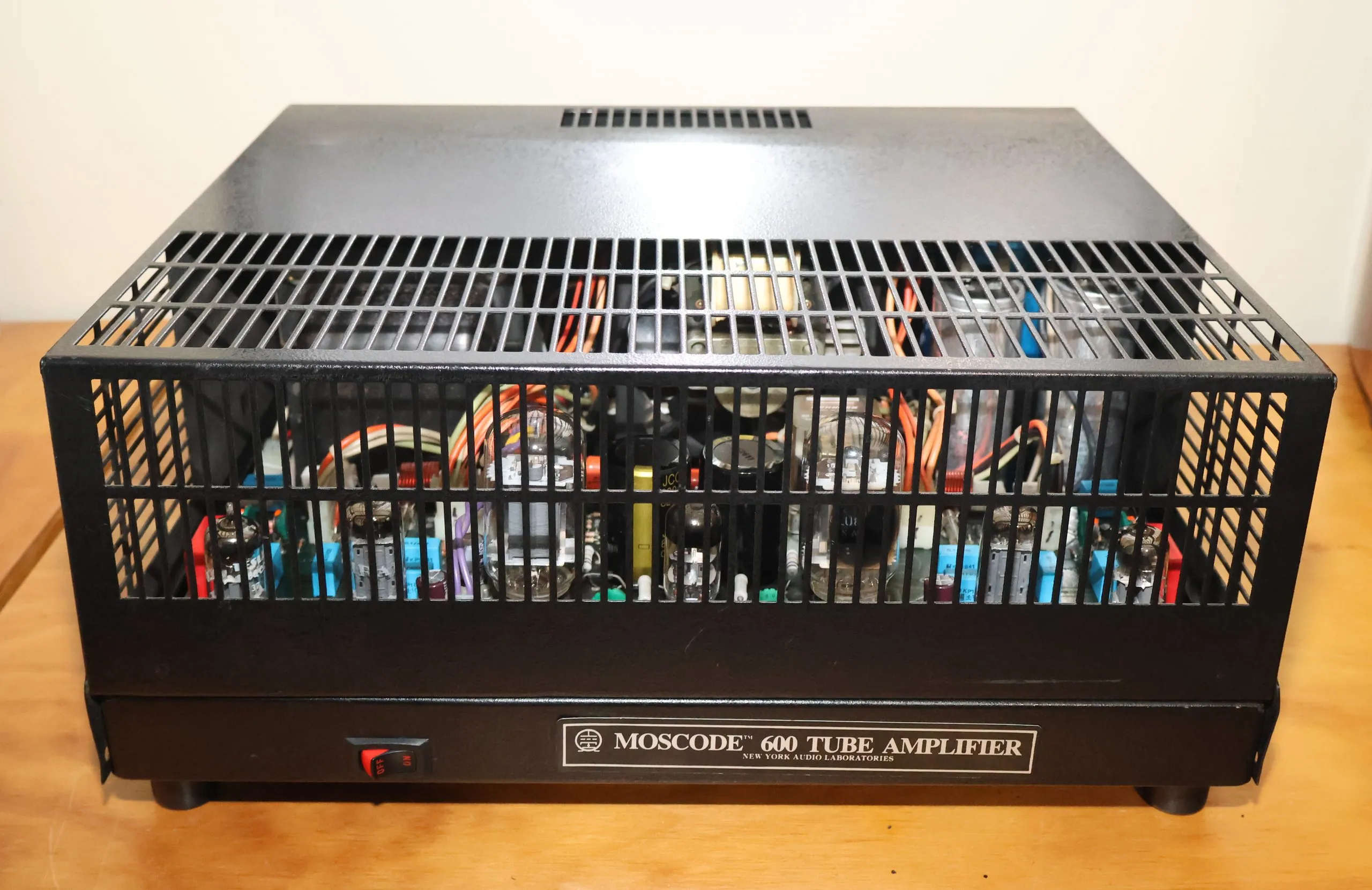
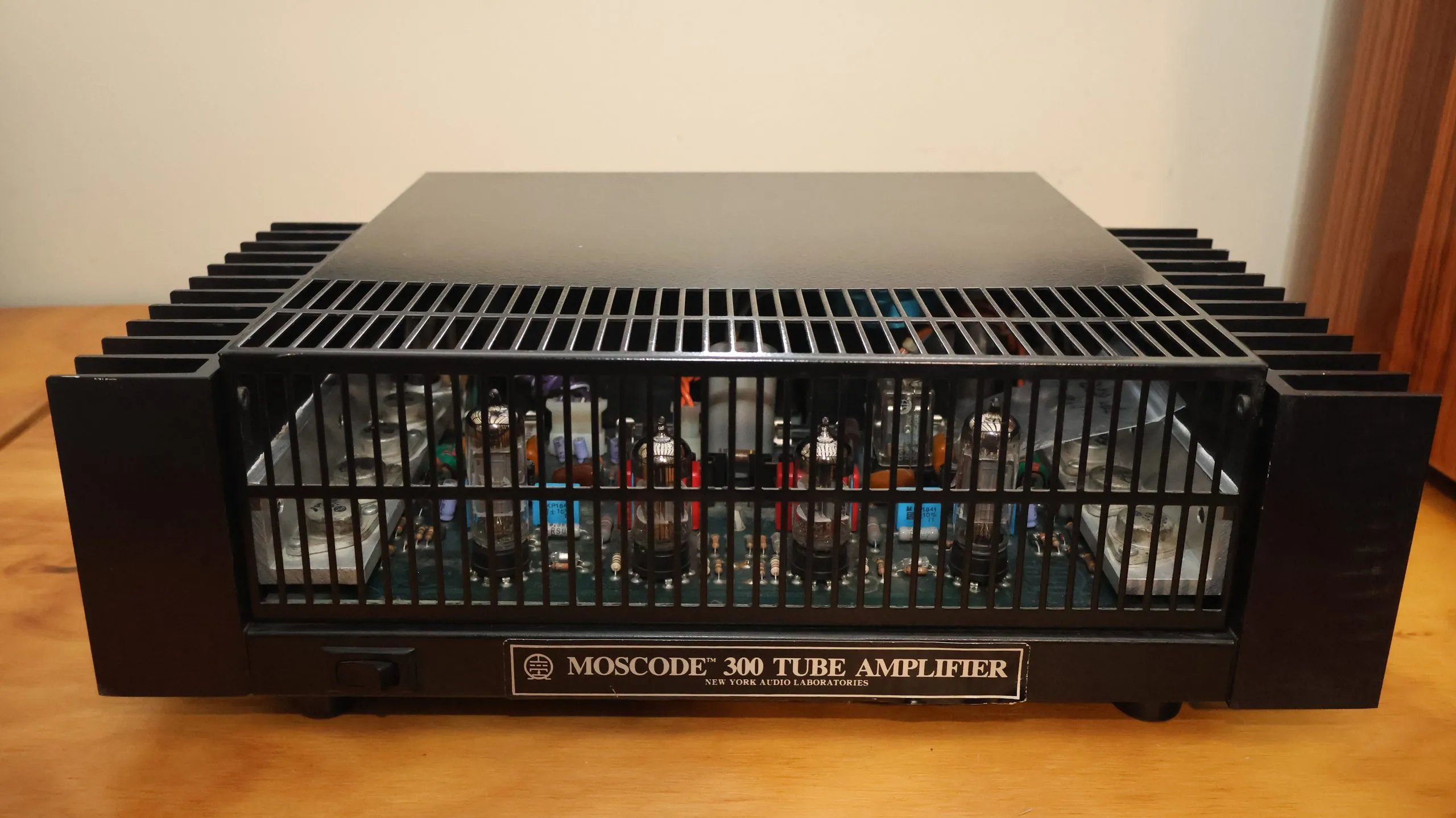
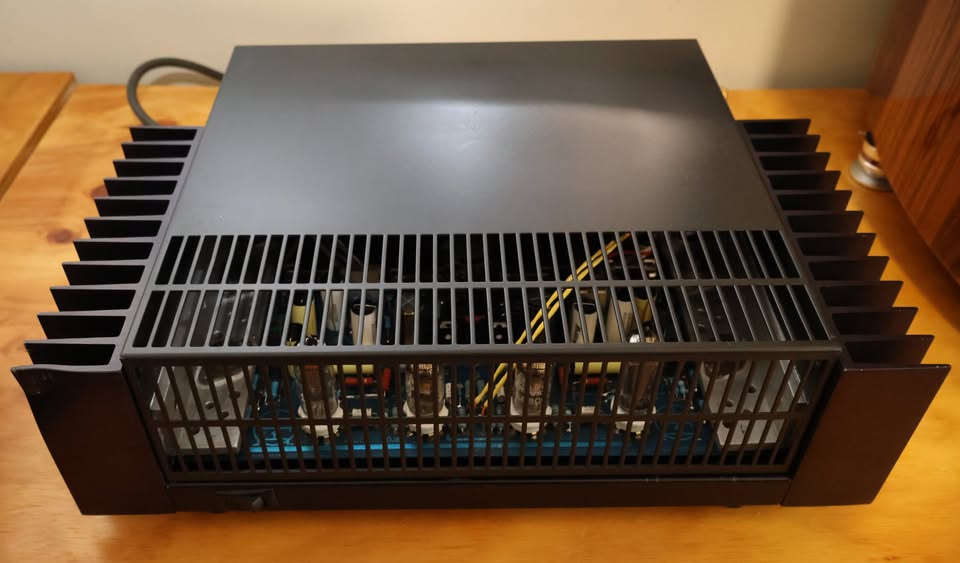
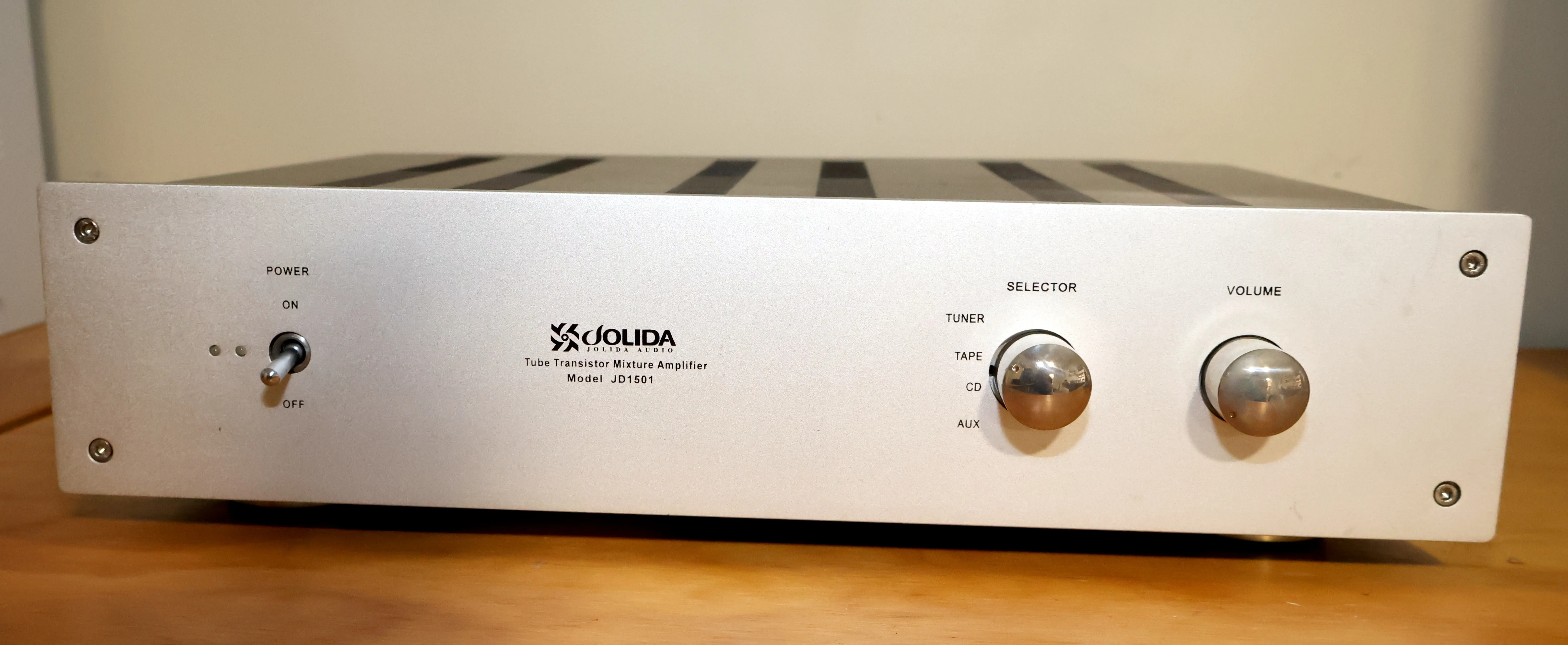
While rebuilding a 6550 push-pull amplifier, I gathered some compelling data regarding the critical impact of dynamic tube symmetry on overall circuit performance.
Static vs. Dynamic Matching: The DatA
In my first test scenario, I utilized a pair with a perfect Ip (Static Plate Current) match but a 10% deviation in Gm (Transconductance). Despite the identical bias points, the amplifier reached 1% THD (Total Harmonic Distortion) at only 44 watts.
When I swapped these for a “perfectly” matched pair—where both Ip and Gm were within a 2% tolerance—the results were night and day:
Low-Level Linearity: Even at nominal power levels, the distortion floor dropped from 0.15% to 0.015%—a 10x improvement in signal purity.
Power Output: The amp produced 65 watts at the same 1% distortion threshold.
Headroom: That is a 20-watt delta in clean power, directly attributable to the tubes’ ability to swing current symmetrically under load.
Continue reading →